
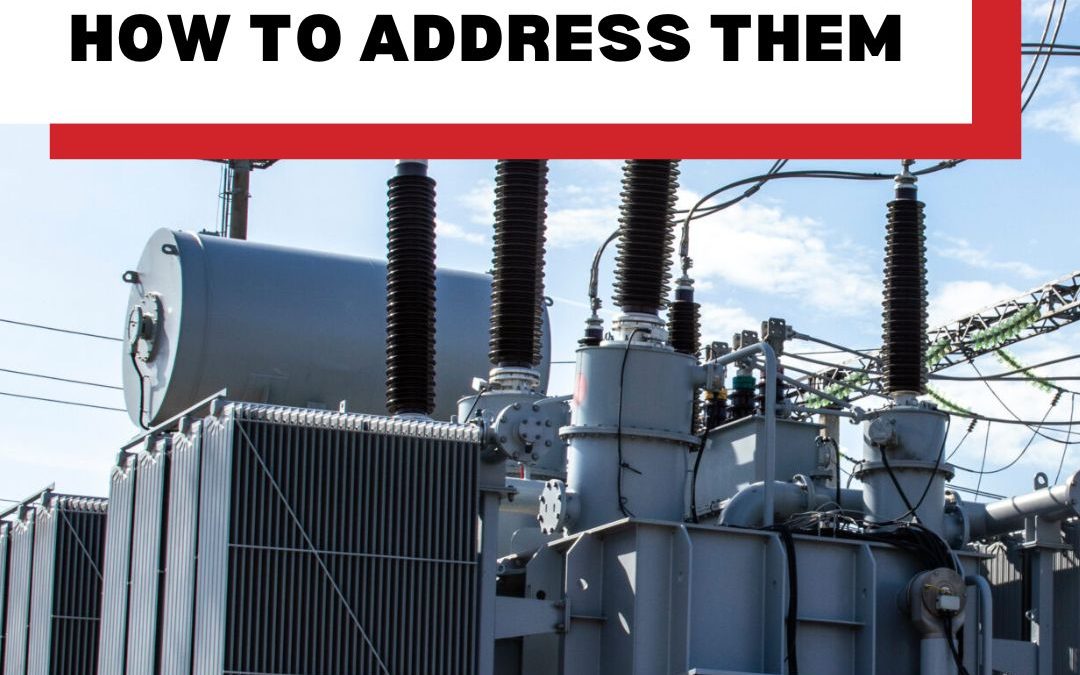
Electrical insulation plays a critical role in the reliability, safety, and performance of transformers. Even small failures in insulating systems can lead to serious operational issues, costly downtime, or irreversible damage. Understanding the most common insulation challenges — and how to address them — is essential for manufacturers, maintenance teams, and engineers across the power sector.
1. Electrical Stress and Dielectric Breakdown
One of the main challenges in transformer insulation is constant exposure to electrical stress. Over time, high voltages can weaken insulating materials, increasing the risk of dielectric breakdown.
How to address it:
Selecting materials with proven dielectric strength and consistent thickness is key. Cellulose-based insulating materials, when properly specified and manufactured, provide excellent electrical insulation for power, medium, and distribution transformers.
2. Tracking and Corona Effects
Surface discharges such as tracking and corona can gradually deteriorate insulation, especially in areas with high electric field concentration.
How to address it:
Using molded insulating components with precise geometry — such as caps, rings, and snouts — helps control electric field distribution and reduce localized stress, minimizing the risk of tracking and corona formation.
3. Mechanical Stress and Dimensional Inaccuracy
Poorly fitted insulating parts can lead to mechanical stress during assembly or operation, compromising insulation performance and structural integrity.
How to address it:
Dimensional precision is essential. Custom-cut and molded components manufactured to exact specifications ensure proper fitting, reduce mechanical strain, and support long-term transformer stability.
4. Material Degradation Over Time
Environmental factors, thermal cycles, and operational loads can cause insulation materials to degrade if they are not properly selected for their application.
How to address it:
Using high-quality cellulose-based materials designed specifically for transformer applications helps maintain durability and performance throughout the equipment’s lifecycle. Proper storage and handling also play a critical role in preserving material integrity.
5. Inconsistent Quality Across Batches
Variations in material quality can lead to unpredictable performance and increased failure risks.
How to address it:
Working with a reliable supplier that ensures consistent quality, controlled manufacturing processes, and customized solutions helps maintain performance standards across projects of all sizes.
Conclusion
Addressing insulation challenges in transformers requires more than choosing a material — it demands expertise, precision, and a deep understanding of electrical and mechanical requirements. With the right insulating solutions and manufacturing standards, it’s possible to significantly reduce risks and support safe, reliable transformer operation.