
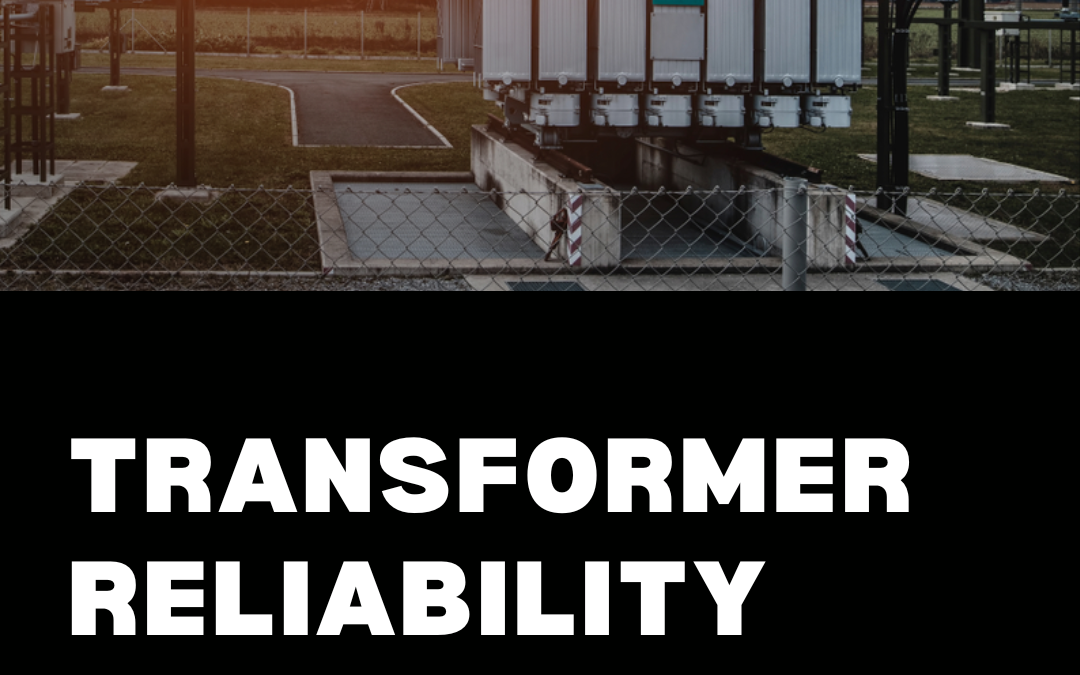
Reliability in transformers: why electrical insulation is essential for operational safety.
Transformers play a fundamental role in power systems, being responsible for the efficient transmission and distribution of electricity. For these devices to operate safely and stably, each component must meet rigorous technical requirements—and electrical insulation is one of the most important parts of this process.
More than just separating energized components, insulation systems are responsible for preserving the electrical integrity of the transformer, directly contributing to operational reliability.
The role of electrical insulation in transformer performance.
During their operation, transformers are subjected to various electrical and mechanical stresses. In this scenario, high-quality insulating materials are essential to ensure that internal components work properly and safely.
Electrical insulation helps prevent failures, maintains the correct separation between conductive parts, and contributes to the consistent operation of the equipment.
Therefore, the choice of dielectric materials and components should consider factors such as:
-
Electrical properties of the material;
-
Dimensional accuracy;
-
Mechanical resistance;
-
Compatibility with the transformer design;
-
Control and quality in the production process.
Precision and quality: factors that make the difference.
In transformers, small details can have a big impact. Insulating components need to be developed with precise measurements and consistent characteristics to ensure proper integration within the system.
Machined and molded parts, electrotechnical papers, and customized solutions play specific roles within the transformer structure. When produced with technical control, these components contribute to the stability and reliability of the assembly.
The importance of technical partnership
Ensuring efficient electrical insulation depends not only on choosing the right product, but also on the knowledge applied to developing the correct solution for each project.
Having a specialized technical partner allows you to align needs, specifications, and applications, ensuring that each component is developed according to the system requirements.
DPS solutions for electrical isolation
DPS develops dielectric solutions for power and distribution transformers, offering components designed for applications that demand precision, quality, and reliability.
With a portfolio that includes machined and molded components, insulation materials, and electrotechnical papers, DPS acts as a partner in developing solutions for demanding electrical systems.
Conclusion
The reliability of a transformer begins with the quality of its components. Electrical insulation is an essential step to ensure operational safety, consistent performance, and system integrity.
When the application demands precision, every component matters.